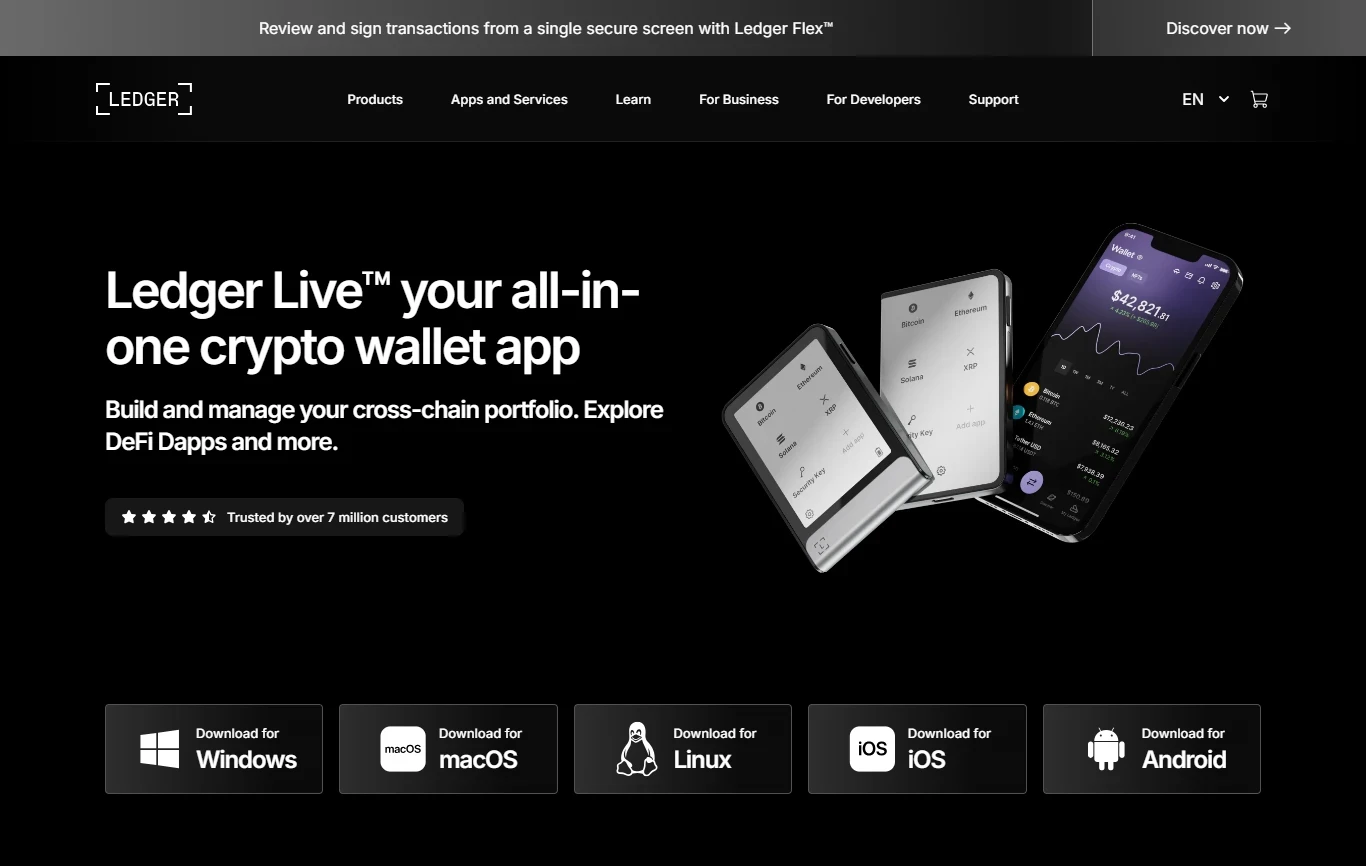
Beginner's Guide to Setting Up Your Ledger Hardware Wallet: Ledger.com/Start Tutorial
In the world of cryptocurrency, securing your digital assets is paramount. If you're new to crypto hardware wallets, Ledger devices like the Nano S Plus or Nano X offer top-tier security through offline storage and robust encryption. This comprehensive Ledger setup guide will walk you through the beginner-friendly process at Ledger.com/start, ensuring you get started safely and efficiently. Whether you're safeguarding Bitcoin, Ethereum, or altcoins, following these steps will help protect your investments from online threats like hacks and phishing. Let's dive into how to set up your Ledger wallet for beginners.
Choosing the Right Ledger Device for Beginners
Before heading to Ledger.com/start, select a device that fits your needs. Ledger offers models like the Nano S Plus (affordable, USB-connected, ideal for starters) and Nano X (Bluetooth-enabled for mobile use, supports more apps). For beginners, the Nano S Plus is a great entry point due to its simplicity and cost-effectiveness. Always purchase directly from the official Ledger website or authorized resellers to avoid counterfeit devices. Check the packaging for tampering—genuine Ledger products come sealed with a scratch-off security label revealing a unique code.
Key factors to consider:
Storage capacity: Nano X holds more app installations.
Connectivity: USB for desktops or Bluetooth for on-the-go.
Budget: Start with under $100 options for basic needs.
Once chosen, unbox your device and ensure all accessories (USB cable, recovery sheets) are included.
Downloading and Installing Ledger Wallet (Formerly Ledger Live)
The heart of your Ledger experience is the Ledger Wallet app, previously known as Ledger Live. Visit Ledger.com/start to download the official software for your operating system—Windows, macOS, Linux, iOS, or Android. Avoid third-party sources to prevent malware.
Steps to download:
Go to Ledger.com/start and select "Download Ledger Wallet."
Choose your platform and follow the prompts.
Install the app and open it. You'll see a welcome screen prompting you to get started.
This app manages your portfolio, installs crypto apps on your device, and facilitates transactions. For mobile users, the app supports Bluetooth pairing with Nano X.
Initial Device Setup: Step-by-Step
Power on your Ledger device by connecting it to your computer via USB (or charge Nano X first). The screen will display "Welcome to Ledger."
Follow these on-device prompts:
Press buttons to navigate and set a PIN code (4-8 digits). This protects against physical access.
Confirm the PIN to proceed.
The device will generate a 24-word recovery phrase. Write it down on the provided recovery sheet—never digitally store it.
For Nano X, pair via Bluetooth in the app if using mobile.
Troubleshooting tip: If the device doesn't power on, ensure the cable is functional and try a different USB port.
Generating and Securing Your Recovery Phrase
The recovery phrase is your wallet's master key—losing it means losing access to your funds forever. During setup, your Ledger generates this phrase offline for maximum security.
Best practices:
Write it legibly and store in multiple secure locations (e.g., fireproof safe, safety deposit box).
Never share it, photograph it, or enter it online.
Verify the phrase by re-entering words as prompted on the device.
If you lose your device, use this phrase on a new Ledger to recover assets. Beginners often overlook this—treat it like cash!
Connecting to Ledger Wallet and Adding Accounts
With the device set up, connect it to the Ledger Wallet app:
In the app, select "Set up as new device."
Follow instructions to pair and authenticate.
Install apps for your cryptocurrencies (e.g., Bitcoin app via Manager).
Add accounts: Scan for existing balances or create new addresses.
Transfer crypto by generating a receive address in the app, confirmed on-device for security. Start small to test.
Security Best Practices for Ledger Users
Ledger's security shines with its Secure Element chip, but user habits matter:
Enable firmware updates via the app for the latest protections.
Use two-factor authentication (2FA) on linked exchanges.
Beware of phishing—Ledger never asks for your recovery phrase.
Regularly back up and test your recovery process.
For advanced beginners, explore features like Passphrase for hidden wallets.
Common Troubleshooting for Beginners
Stuck? Common issues include:
Connection errors: Restart app/device, update drivers.
Firmware outdated: Use Ledger Wallet's Manager to update.
App crashes: Reinstall from Ledger.com/start.
If problems persist, check Ledger's support knowledge base or community forums.
Conclusion: Secure Your Crypto Journey with Ledger
Setting up your Ledger hardware wallet via Ledger.com/start is a straightforward process that empowers beginners to take control of their crypto assets. By following this guide—from device selection to secure recovery phrase management—you'll build a fortified defense against threats.